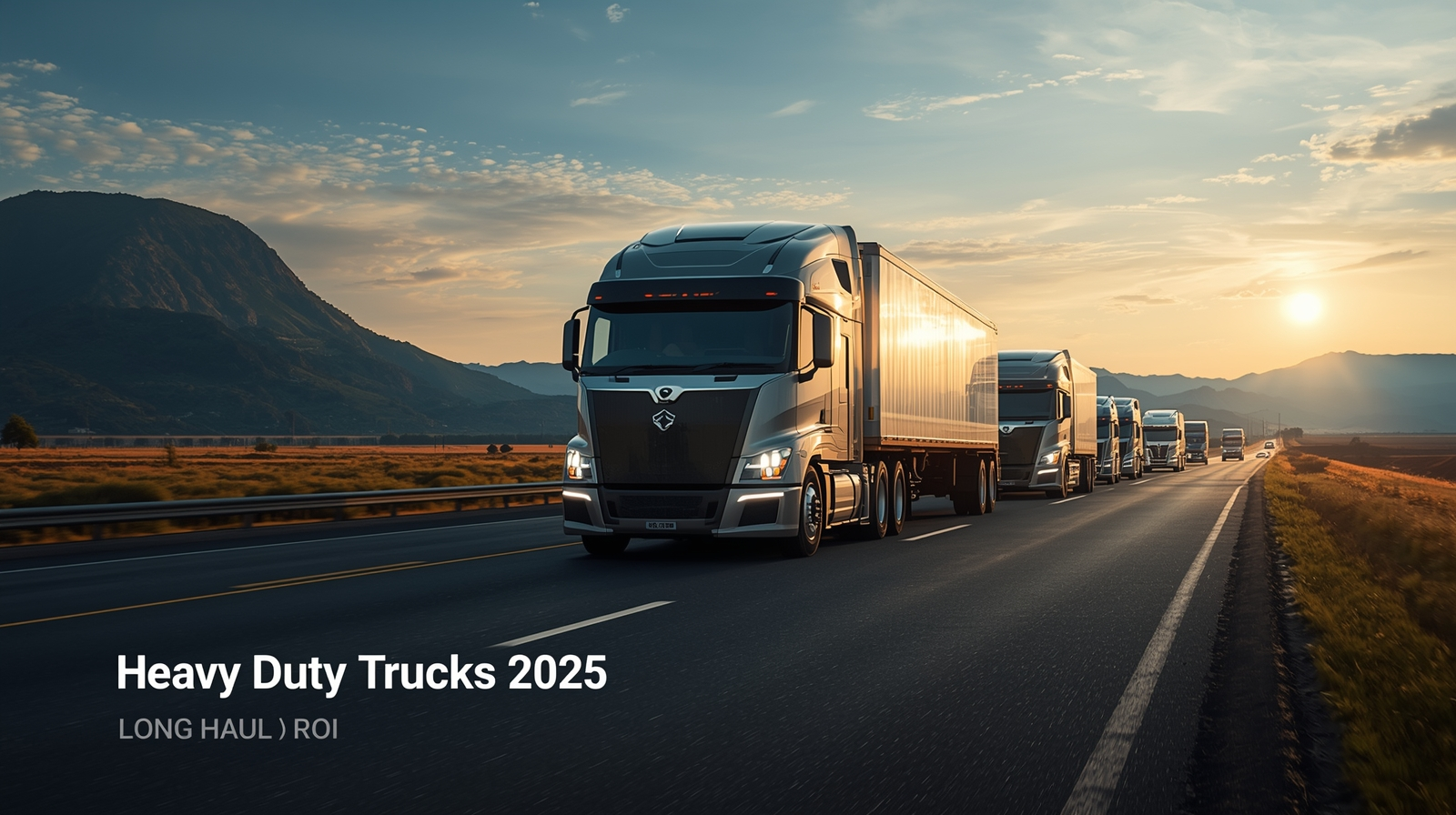
Stop the vanishing margins! Our 2025 guide for travel fleet owners reveals the 3-pillar blueprint for massive Fleet Fuel Savings. Master Fuel Management Solutions, Driver Fuel Efficiency Training, and Fleet Telematics. Reduce Fleet Operating Costs by up to 15%.
It’s 3:00 AM. For Alex, the owner of ‘Cross-Country Courier,’ the only light in the office comes from the glowing, angry red on the fuel consumption spreadsheet. Anxiety is a cold companion in the small hours, and right now, it’s all tied up in a number that refuses to shrink. Fuel.
Alex isn’t a rookie; he’s been in the transport game for 20 years. Yet, this quarter, the unpredictable, volatile fuel bill just swallowed their entire net profit. It’s not simply the price at the pump that’s the silent killer of his margins; it’s the mystery. Where is the fuel really going? One truck, ‘Unit 14,’ usually a high-performer, is suddenly tanking its mileage. Is it a mechanical issue? Is the driver struggling? Is there theft involved?
He feels the heavy, terrifying fear of watching his life’s work—his family’s future, his employees’ livelihoods—slowly erode, one unpredictable gallon at a time. The problem is so big, so complex, that it breeds frustration and paralyzes action.
This is the reality for countless travel fleet owners today. Fuel is the single largest controllable expense, often consuming 25-40% of the entire operating budget. Ignoring it isn’t an option. The good news? The era of guessing is over.
In this epic guide, we’re going beyond simple tips to deliver a comprehensive, three-pillar framework designed to generate sustainable, massive Fleet Fuel Savings in 2025 and beyond. Prepare to replace that knot of anxiety with the empowerment of control.
The Three Pillars of Fleet Fuel Savings: A 2025 Master Framework 🔑
To truly tackle the monster of rising costs and Reduce Fleet Operating Costs, you need a holistic strategy. Think of your operation not as a single machine, but as a system with three interdependent components. Ignoring one component is like trying to solve a puzzle 🧩 with a third of the pieces missing.
Our strategy is built on these three foundations:
Pillar 1: Vehicle Optimization – The Iron Horse Efficiency 🛠️
This pillar focuses on the physical assets themselves. It’s about ensuring the machine is running at peak efficiency, eliminating mechanical resistance and waste.
Pillar 2: Driver Optimization – The Human Element of Savings 🧠
This is the most direct and often overlooked avenue for savings. It’s about coaching, incentivizing, and training the people behind the wheel to save thousands of gallons a year. This is where Driver Fuel Efficiency Training becomes critical.
Pillar 3: Data & Technology – The Brains of the Operation 💡
This pillar provides the visibility and intelligence required to make data-driven decisions. It’s where the smart Fuel Management Solutions and Fleet Telematics for Fuel Efficiency stop the guesswork.
Pillar 1 Deep Dive: Transforming Your Assets into Fuel-Sipping Machines 🛠️
The first step in achieving significant Fleet Fuel Savings is to look under the hood and at the body of your commercial vehicles. A poorly maintained or inefficiently shaped vehicle fights against itself, wasting valuable fuel in the process.
The Power of Predictive Maintenance: Catching Fuel Leaks Before They Drain You
Old-school maintenance waits for a problem to occur. Modern, efficient fleets use predictive maintenance to stop problems before they start.
- Problem: Clogged filters, faulty injectors, or tired spark plugs can dramatically decrease performance, causing the engine to work harder and burn more fuel.
- The Solution: Use diagnostic software to flag vehicles that show early warning signs—a subtle drop in MPG, unusual vibration data, or increasing oil consumption. Addressing a $100 repair today prevents a $1,000 fuel loss next month.
✅ Pro: Extends the lifespan of expensive engine components.
❌ Con: Requires an upfront investment in diagnostic tools and training.
The Aerodynamic Advantage: Cutting Through the Wind (and Costs)
Air resistance, or drag, is the single greatest force your vehicle fights at highway speeds. Fighting the wind is expensive!
Studies have shown that implementing simple, effective Aerodynamic Modifications can yield measurable Fleet Fuel Savings.
| Modification Type | Estimated Fuel Savings Range 📊 | Key Benefit |
| Roof Fairings | 3% – 6% | Directs airflow over the trailer. |
| Side Skirts | 4% – 7% | Reduces drag under the trailer body. |
| Gap Fairings | 1% – 2% | Closes the gap between the cab and trailer. |
| Trailer Tails | 1% – 4% | Reduces turbulence behind the vehicle. |
The Takeaway: You don’t need a space-age redesign. Focusing on the basics—ensuring all fairings are installed, undamaged, and properly aligned—is a quick win for Reduce Fleet Operating Costs.
Tire Management: The Unsung Hero of Fuel Economy
Tires are your vehicle’s connection to the road, and they create rolling resistance. This resistance is highly sensitive to one key factor: pressure.
➡️ Underinflation: A tire that is just 10 PSI under-inflated can increase fuel consumption by over 2%. It also causes premature, uneven tire wear, leading to early replacement costs.
⬅️ The Fix: Implement a rigorous Tire Pressure Monitoring System (TPMS). These systems provide real-time alerts, ensuring tires are always at the optimal pressure. This saves fuel and extends tire life, offering a powerful double-whammy of savings.
Pillar 2 Deep Dive: From Idling to Excellence – Coaching Your Drivers to Save 🧠
No amount of technology can overcome a disengaged or poorly trained driver. The human element is the most dynamic factor in Fleet Fuel Savings. Getting driver buy-in replaces frustration with relief.
The High Cost of Idling: Simple Policy, Massive Impact
Many drivers idle out of habit—to keep the cabin warm/cool, to take a break, or simply because it’s always been done that way. The cost of a heavy-duty truck idling is astronomical, often burning nearly a gallon of diesel per hour.
Action Steps to Eliminate Idling:
- Strict Policy: Implement a zero-tolerance policy for unnecessary idling, allowing only for mandatory warm-up or safety checks.
- Tech Solutions: Utilize telematics data (Pillar 3) to create Driver Scorecard Reporting that flags excessive idling and use auto-shutdown devices.
- Auxiliary Power Units (APUs): For required rest periods, invest in APUs that heat/cool the cabin and power electronics without running the main engine. This is a high-TCO (Total Cost of Ownership) win.
Implementing a ‘Golden Foot’ Driver Fuel Efficiency Training Program
Driver Fuel Efficiency Training is not a one-time event; it’s an ongoing cultural commitment. The goal is to train drivers to adopt the smoothest driving style possible.
Key Training Components:
- Smooth Acceleration/Braking: Rapid changes in speed waste huge amounts of fuel. Training should focus on maintaining momentum, look-ahead driving, and gentle braking.
- Optimal Speed: Educate drivers on the relationship between speed and air resistance. Fuel economy often peaks between 55-65 mph. Going just 10 mph faster can significantly spike consumption.
- Proper Gear Use: For manual transmissions, training on optimal shifting points ensures the engine stays in the most fuel-efficient RPM range.
Gamification and Incentives: Motivating Success, Not Punishing Failure
Punishing a driver for poor performance often breeds resentment and resistance. Rewarding positive behavior is far more effective for long-term Fleet Fuel Savings.
- The Scorecard: Use data from your Fleet Telematics for Fuel Efficiency system to track key metrics: MPG, Idling Time, Harsh Braking/Acceleration.
- The Reward: Create a monthly ‘Golden Foot’ competition. The top 5 drivers receive a bonus, a gift card, or even an extra vacation day. This shifts the culture from compliance to aspiration.
Pillar 3 Deep Dive: The Data Revolution – Tools for Commercial Vehicle Fuel Tracking 💡
The most significant shift in Fleet Fuel Savings over the last decade is the rise of smart, accessible data. This is where Fuel Management Solutions take center stage, giving Alex (and you) the clues to solve the mystery of the vanishing fuel margin.
Beyond GPS: How Fleet Telematics for Fuel Efficiency Drives ROI
Telematics systems—the technology that combines GPS, onboard diagnostics, and communication—are no longer just for tracking location. They are sophisticated platforms for Fleet Telematics for Fuel Efficiency.
- Real-Time Diagnostics: Telematics spots mechanical problems (like a misfiring engine or low voltage) before they turn into costly breakdowns and high fuel waste.
- Route Optimization: Dynamic routing algorithms consider traffic, road conditions, and elevation changes to recommend the most fuel-efficient path. Saving miles automatically means saving fuel.
- Driver Coaching: Provides real-time, in-cab alerts to the driver (e.g., “Excessive Idling Detected”), offering immediate feedback and course correction.
The ROI is clear: Many fleets report a 5-15% reduction in fuel consumption within the first year of a properly implemented telematics system.
Zero-Tolerance: Leveraging Commercial Vehicle Fuel Tracking for Loss Prevention
Fuel theft—internal or external—is a major concern. Without precise data, it’s a difficult crime to prove or stop.
Effective Commercial Vehicle Fuel Tracking Systems offer several layers of defense:
- Fuel Card Integration: Links fuel purchases directly to the specific vehicle and driver, flagging purchases that exceed tank capacity or are made far from the vehicle’s location.
- Tank Sensor Monitoring: Sensors installed in the fuel tank detect sudden drops in fuel level outside of typical engine consumption, immediately alerting management to potential siphoning.
- MPG Anomaly Reports: The system monitors and flags vehicles like Alex’s ‘Unit 14’ when their MPG suddenly drops far below the expected baseline for that model and route, indicating a potential mechanical fault or unauthorized usage.
Dynamic Route Optimization: The Software That Saves Miles and Diesel
The shortest route is rarely the most fuel-efficient route. Route optimization software uses complex algorithms to find the sweet spot between distance, time, and fuel burn.
- Traffic Avoidance: Less time spent braking and idling in traffic is a huge win for fuel economy.
- Elevation Mapping: The software minimizes steep climbs, which dramatically increase fuel consumption in heavy vehicles.
The Hard Numbers: Upfront Cost vs. Long-Term Fleet Fuel Savings (A Comparative Look) 📊
The primary objection to adopting these strategies is always the same: “It’s too expensive to upgrade my entire fleet.” But fleet ownership is not about cost; it’s about Total Cost of Ownership (TCO) and ROI. The fuel you save must—and will—outweigh the cost of the saving tool.
Comparing Fuel Management Solutions: Software, Hardware, and Services
| Solution/Upgrade | Key Feature | Upfront Cost (Illustrative) | Estimated Annual Fleet Fuel Savings (Illustrative) | Strategic Value |
| Basic Telematics | GPS, Basic Diagnostics, Idling Reports | $150/unit + $20/month sub | 5% – 10% | Foundation for all data-driven decisions. |
| Advanced Fuel Sensors | Real-time Tank Monitoring, Theft Alerting | $500 – $1,000/unit | 1% – 5% (Primarily through theft reduction) | Commercial Vehicle Fuel Tracking precision. |
| Aerodynamic Fairings | Side Skirts, Roof Wings | $3,000 – $5,000/trailer | 4% – 7% | Passive, guaranteed savings at highway speeds. |
| APU Installation | Cabin Climate Control | $8,000 – $12,000/truck | 5% – 8% (Through idling elimination) | Essential for long-haul sleeper cabs. |
| Driver Training Program | Online Modules, In-Cab Coaching | $500 – $2,000/year (for 30 staff) | 3% – 5% | The highest ROI soft-skill investment. |
Calculating Your Total Cost of Ownership (TCO) for Efficiency Upgrades
When evaluating any upgrade, don’t look at the sticker price. Look at the payback period.
$$\text{Payback Period (in months)} = \frac{\text{Total Investment Cost}}{\text{Monthly Fuel Savings + Maintenance Savings}}$$
For example, if a $5,000 telematics system saves you $500 in fuel and $150 in maintenance per month, your payback period is just 7.7 months. After that, it’s pure, sustainable profit. This shifts the decision from a daunting expense to an investment with guaranteed returns.
Future-Proofing Your Fleet: Alternative Fuels and 2025+ Trends 🚀
To truly secure long-term Fleet Fuel Savings and Reduce Fleet Operating Costs, owners must look past diesel and gas. The landscape is shifting rapidly, driven by regulation, technology, and evolving TCO models.
Electric and Hybrid: Understanding the Tipping Point
The initial purchase price of an Electric Vehicle (EV) is higher, causing fear in many owners. However, the TCO equation is changing fast:
- Lower Maintenance: EVs have dramatically fewer moving parts, reducing maintenance costs by up to 50%.
- “Fuel” Cost Stability: Electricity prices, while variable, are far more stable and predictable than diesel/gas.
- Incentives and Grants: Governments worldwide are offering significant grants and tax breaks to help offset the initial cost, pushing the EV TCO to parity with or below traditional diesel within 3-5 years for many commercial segments.
The Hydrogen Horizon: A Look at HFC Technology
While EVs dominate the light-duty fleet talk, Hydrogen Fuel Cell (HFC) technology is poised to be the long-haul future. HFC trucks refuel almost as fast as diesel and offer a much longer range than current battery-electric semis.
The Key Trend: Start monitoring HFC infrastructure developments in your key travel corridors. Early adoption or strategic planning could provide a massive competitive edge on Reduce Fleet Operating Costs in the 2030s.
The Road to Profitability: Making Fuel Savings Your Competitive Edge 🏆
Alex, back in his office, finally has the relief of a clear plan. He didn’t just buy a telematic system; he built a master framework. He addressed the machine, the driver, and the data, turning the terrifying volatility of fuel into a manageable, predictable cost.
The true journey to achieving massive Fleet Fuel Savings and reducing your Fleet Operating Costs is not about luck or waiting for prices to drop; it’s about meticulous, data-driven action. It’s about empowering your drivers, optimizing your vehicles, and leveraging smart Fuel Management Solutions to win the battle of the margin.
You no longer have to live with the anxiety of the vanishing margin. You have the blueprint. The time for guesswork is over.
Ready to take the next step towards Sustainable Fleet Fuel Savings?
Click here to book a free 30-minute consultation with a Fleet Efficiency Expert to map your custom Three-Pillar Strategy and calculate your guaranteed ROI! 🎯