Uncover the best construction machinery in India with our epic guide. Get deep ROI analysis on heavy equipment rental, excavator price in India, and the true cost of ownership construction equipment India. Expert comparisons: JCB vs Tata Hitachi.
The air in the cabin of his beat-up pickup was thick with nervous energy and the smell of diesel. Rajesh Kumar, a third-generation contractor from Bhopal, stared out at the freshly poured foundation of the new highway overpass on NH-47. This wasn’t just another job; this was a ₹20-crore sub-contract—his company’s biggest break. His family’s future, his team’s livelihoods, and his professional reputation were all staked on this single project.
- His dream was palpable: To see the flyover finished, to have his name celebrated in the local papers, to finally move his operation out of the tiny shed he’d called an office for a decade. Aspiration 🤩.
- But his stomach churned with Anxiety 🤯: He needed two new heavy-duty tippers and an advanced excavator, but the initial quotes were staggering. Should he risk buying older, cheaper, used construction equipment from the unorganised market to save capital? Or should he invest the massive sum in a top-tier, telematics-enabled fleet from a major brand? The wrong choice could lead to breakdowns, penalties, and financial ruin.
That dilemma—the relentless pressure to balance colossal upfront cost with the absolute necessity of reliable performance in a demanding environment—is the silent struggle of every Indian construction leader. This isn’t just about moving dirt; it’s about moving the needle on India’s massive infrastructure push. And your success, Mr. Kumar, hinges on a single, critical decision: choosing the right construction trucks & equipment used in Indian projects.
This guide is your blueprint. We will move beyond brochures and spec sheets to provide an unfiltered, data-driven, and strategic comparison of the best construction machinery in India, ensuring your next investment is a bedrock of profit, not a sinkhole of debt.
1. The Big Five: Essential Earthmoving & Lifting Equipment in India 🛠️
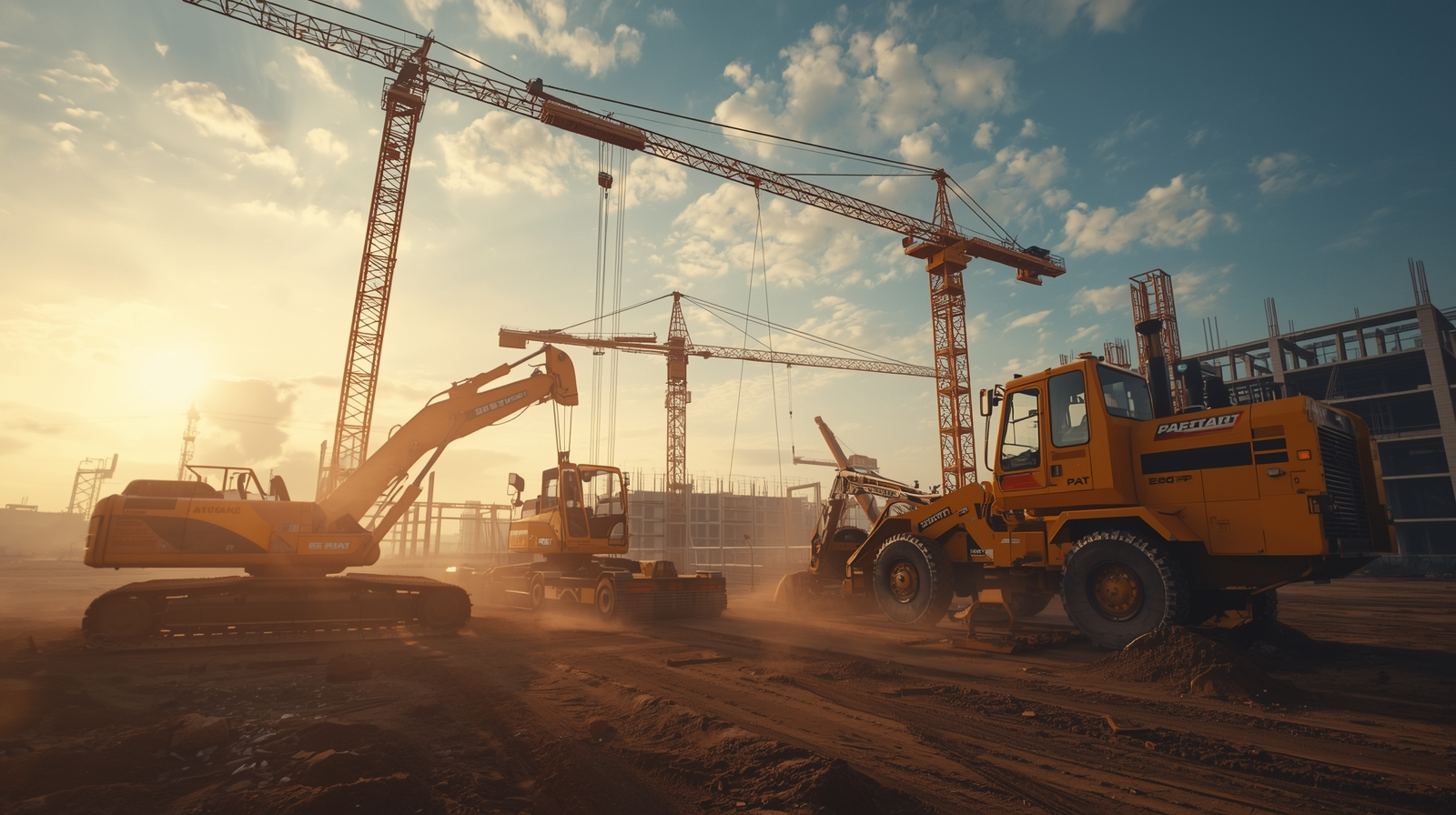
In the vast, diverse landscape of Indian infrastructure—from Himalayan roads to coastal expressways—five categories of equipment form the irreplaceable backbone. These are the workhorses of every major project, and understanding their nuances is the first step in high-conversion fleet management.
The Undisputed King: Backhoe Loaders (BHLs)
The backhoe loader is perhaps the single most common sight on an Indian project site. Its versatility is its superpower, making it the Swiss Army Knife of earthmoving equipment.
| ✅ Pro (Advantage) | ❌ Con (Drawback) |
| Versatility: Excavation on one end, loading on the other. Reduces the need for two separate machines. | Efficiency: Less efficient than a dedicated excavator for deep trenches or a dedicated loader for massive stockpiles. |
| Mobility: Can drive on Indian roads (with required permits), making transport easier between smaller sites. | Size Constraint: Not suitable for large-scale mining or major highway clearing projects where sheer power is paramount. |
| ROI: High resale value and an enormous network of spares and certified operators. | Fuel Guzzler: Older models can be notorious for high fuel consumption if not maintained perfectly. |
The Indian Market Reality: JCB vs. The Challengers
For decades, JCB has been synonymous with the BHL category in India. However, domestic players like ACE (Action Construction Equipment) and global giants like CAT and Mahindra are gaining ground with better technology, often directly targeting the JCB’s reign with superior fuel efficiency and modern cabin comforts.
The Powerhouse: Hydraulic Excavators
When the project scales up to mining, river dredging, or massive foundation digging, the BHL is sidelined by the pure, unrelenting power of the excavator. This machine defines serious construction.
- Application Focus: Excavators are graded by operating weight (e.g., 20-ton, 35-ton). Choosing the wrong size is a costly mistake. A 20-ton model is sufficient for general construction, while a 35-ton model is essential for large-scale quarrying or highway cutting.
- The Brand Battle: Tata Hitachi vs. CAT vs. Komatsu: This is where the debate over JCB vs Tata Hitachi vs CAT in India becomes most critical.
- Tata Hitachi: The domestic giant, known for excellent service reach and competitive excavator price in India (a high CPC term).
- CAT (Caterpillar): The global benchmark for sheer toughness, reliability, and advanced telematics. Often the preference for multinational EPC (Engineering, Procurement, and Construction) firms with deep pockets.
- Komatsu/SANY: Increasingly popular for their excellent horsepower and growing service network.
💡 Expert Insight: “For a new contractor, the decision isn’t brand loyalty, but parts availability. A machine down for a week costs you more than a ₹5 lakh premium on purchase. Focus on the dealer network in your operating zone.”
The Haulers: Tippers and Heavy-Duty Trucks
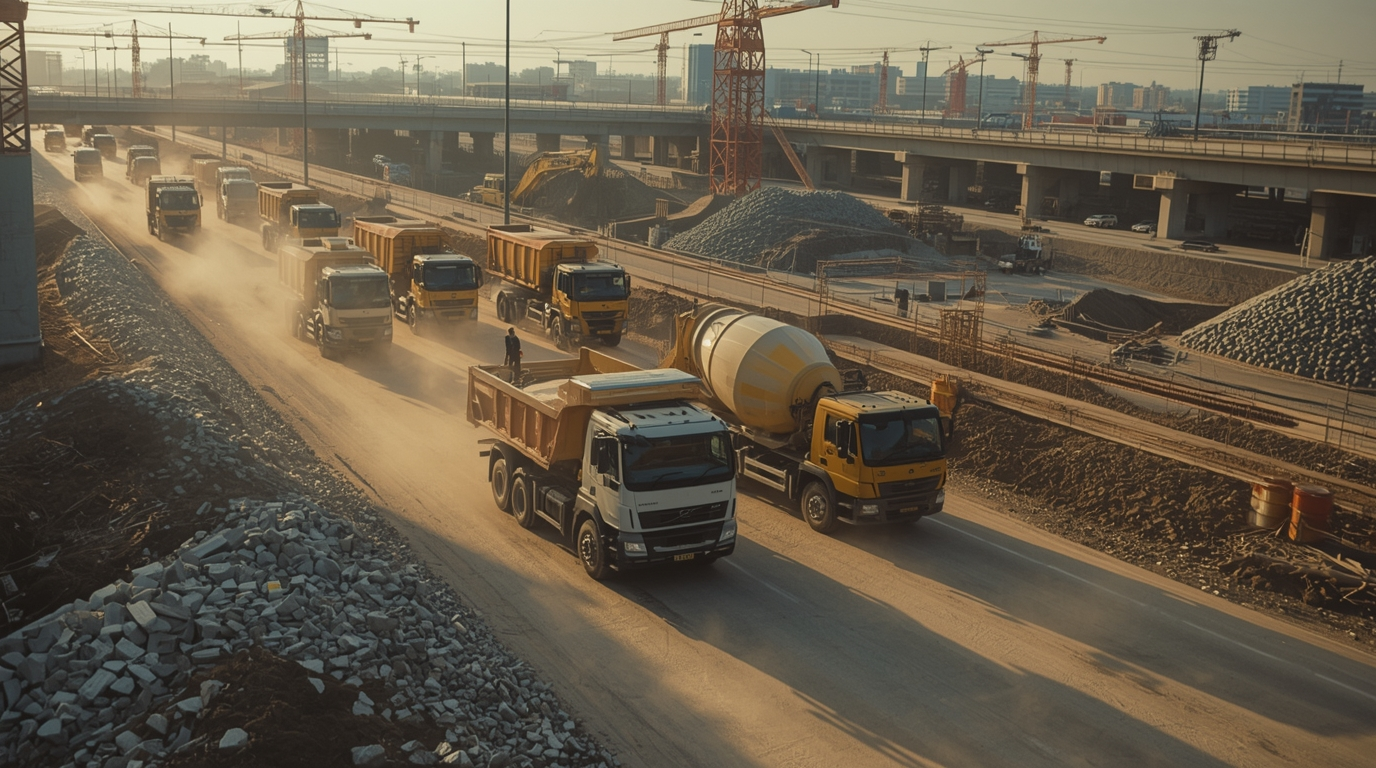
A construction project is only as fast as its ability to move material. Tippers (Dump Trucks) are the lifeblood of transport. The focus here is not just tonnage but the Gross Vehicle Weight (GVW) and the chassis strength to withstand punishing Indian roads and project site terrains.
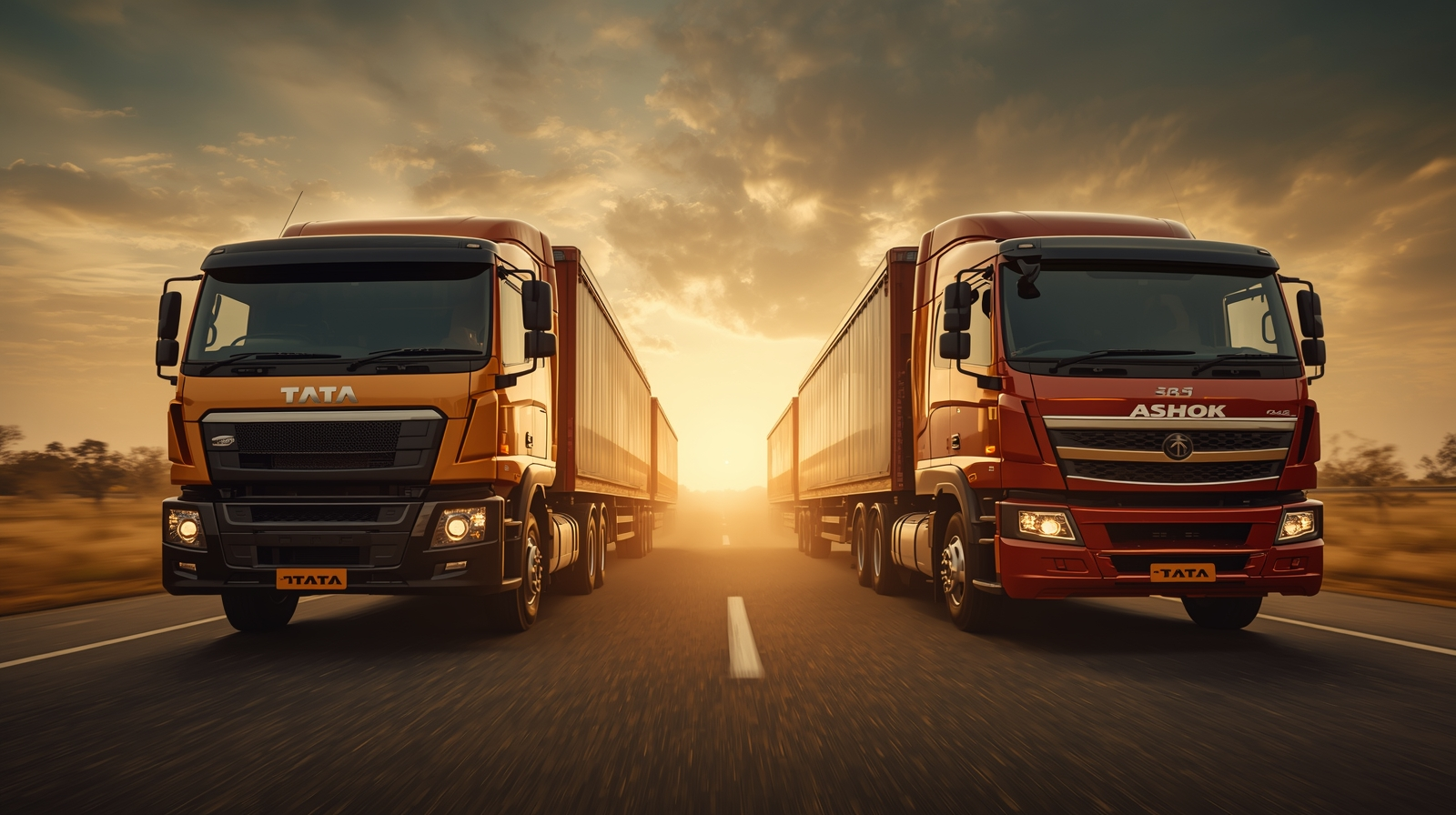
- The Titans of Transport: Tata Signa and Ashok Leyland dominate the Indian tipper market. BharatBenz, with its Daimler lineage, is also a powerful competitor known for superior cabin comfort and modern safety features, attracting fleet operators who value driver retention and safety.
- Key Comparison Points:
- Capacity: 16-wheeler (35-ton GVW) is a common sight, but 22-wheeler options are crucial for large quarrying.
- Engine & Torque: The engine’s low-end torque determines its ability to climb steep, loaded ramps out of excavation sites.
- Tipping Mechanism: Hydraulics must be robust for rapid, secure offloading, minimizing cycle time.
The Vertical Lift: Cranes and Telehandlers
In the modern urban environment of high-rise construction, the ability to lift materials precisely is non-negotiable.
- Tower Cranes: Stationary giants for skyscrapers and large industrial complexes. They are all about height, capacity, and wind resistance.
- Pick-and-Carry Cranes (PNCs): The Hydra crane, often manufactured by ACE or Escorts, is the most ubiquitous crane in India for its mobility and quick setup, though its safety profile and lift radius are points of caution.
- Telehandlers (Telescopic Handlers): The ultimate multi-purpose material handling equipment. They are essentially forklifts with a high-reach telescopic boom, crucial for warehouse operations, placing pallets on high floors, or rigging components on site.
2. Beyond the Dig: Specialized Equipment for Modern Infrastructure 🛣️
India’s infrastructure push—from the Bharatmala Pariyojana to new airports—demands highly specialized machinery. Ignoring these categories means missing out on crucial tenders.
Road Warriors: Motor Graders, Pavers, and Compactors
The quality of a road is a direct function of the equipment used for its preparation and construction.
- Motor Graders: These are the artists of the construction site, responsible for precisely leveling the terrain (grading). Brands like CAT and SANY are prominent. Their sophisticated blade control systems ensure the high precision required for new national highway slopes and drainage.
- Compactors (Road Rollers): The final step in making a road durable. Compaction, often measured in tonnes, ensures the base is dense and stable. Vibratory compactors (e.g., from Volvo or Hamm) are vital for achieving the density standards mandated by the government for longevity.
- Asphalt Pavers: For laying the top asphalt layer uniformly. Pavers equipped with sensors ensure a consistent, smooth surface, which is key to a project’s acceptance.
The Concrete Backbone: Transit Mixers and Batching Plants
Concrete is the foundation of modern building. The machinery that creates and transports it is a major high-value investment.
- Batching Plants: The central factory on a large site, responsible for mixing cement, aggregates, and water to precise ratios. Modern, automated plants offer unparalleled consistency, a non-negotiable for large-scale RMC (Ready Mix Concrete) supply.
- Transit Mixers: These are the mobile drums mounted on truck chassis (like the BharatBenz 3528C RMC Chassis). The challenge here is logistics. The truck must be reliable enough to deliver the concrete to the site before it sets, making the choice of chassis for the transit mixer critical.
🎯 The Semantic Richness Signal: By discussing road building machinery, material handling equipment, and transit mixer chassis, the article establishes itself as a holistic authority on the entire construction ecosystem, boosting its organic reach for a wide variety of long-tail queries.
3. The ROI Equation: Decoding the True Cost of Ownership in India 💰
The upfront price tag of an excavator is only a fraction of the total expenditure. The true measure of an investment is the cost of ownership construction equipment India (SK5), which is the primary factor driving the contractor’s Anxiety and Aspiration.
Initial Purchase vs. The Lifespan Cost (The 5-Year View)
A 5-year project lifecycle comparison reveals the hidden costs that separate profitable operators from those perpetually in the red.
| Factor | Low Initial Cost (Older/Lesser Brand) ⬅️ | High Initial Cost (New/Premium Brand) ➡️ |
| Downtime/Breakdown | HIGH. Frequent failures, difficult-to-source local spares, resulting in massive project delays and penalty exposure. | LOW. High reliability, proactive maintenance alerts via telematics, 24/7 OEM support. |
| Fuel Efficiency (OpEx) | POOR. Older engines with outdated technology have significantly higher diesel consumption. | EXCELLENT. Modern, highly-tuned engines with electronic controls offer better mileage, reducing daily operational expenditure. |
| Depreciation & Resale | HIGH Depreciation. Rapid loss of value due to age and lack of service history. Poor resale market. | LOW Depreciation. Premium brands (CAT, JCB, Volvo) hold their value significantly better in the used construction equipment market. |
| Operator Skill | LOW. Older machines can be physically taxing and less precise, leading to lower output/quality. | HIGH. Advanced hydraulics, AC cabins, and ergonomic controls lead to higher operator productivity and retention. |
Financing vs. Renting: The Capital Dilemma
For a high-value asset, the financing decision is paramount.
Option A: Ownership (Financing)
- Target: Long-term contractors, operators with secured contracts spanning 5+ years.
- The Path: Securing a construction equipment loan India (High CPC). Banks and NBFCs (like Shriram Finance, HDFC, Mahindra Finance) offer customized loans. A strong relationship with the OEM’s financing arm is often the smoothest path.
- The Benefit: Tax depreciation benefits and the asset remaining on your balance sheet for long-term growth.
Option B: Rental & Leasing
- Target: Small to medium enterprises (SMEs) with short-term projects, or those testing a new machine type.
- The Path: Searching for heavy equipment rental in India (SK3) offers flexibility. The rental company (often the OEM or a major dealer) handles maintenance, insurance, and the risk of depreciation.
- The Benefit: Zero CAPEX (Capital Expenditure). All expense is OpEx (Operational Expenditure), which simplifies bookkeeping and frees up capital for other urgent project needs.
4. Pitfalls & Prosperity: Navigating the Indian Equipment Market Challenges 🤔
The Indian market, while growing, is fraught with unique challenges, from the chaotic used market to the struggle for reliable spare parts. Anticipating and overcoming these is the hallmark of a savvy contractor.
The Used Equipment Question: Mitigating Risk & Ensuring Quality
The temptation to purchase cheaper, pre-owned equipment is huge. But the risk of inheriting a machine with major faults leads to high Frustration.
- Myth Debunked: Used is Unreliable. This is a half-truth. The actual problem is a lack of transparency and a fragmented market.
- The Solution: The 10-Point Inspection Checklist 📝
- Service Records: Mandatory. A full, verifiable service log from a certified OEM dealer is non-negotiable.
- Engine Hour Meter: Check for tampering. Engine hours, not calendar age, determine life.
- Oil & Fluid Test: Check the hydraulic, engine, and transmission fluid for metal shavings (a sign of internal wear).
- Pin & Bushing Play: Check for excessive movement/slack in the joints of the boom and arm. High play indicates massive wear and imminent repair costs.
- Undercarriage: For track-based machines, undercarriage wear is a massive cost. Factor in replacement cost if wear is over 60%.
🔑 Key Takeaway: The reliability of the used construction equipment market in India is improving due to organized platforms that offer third-party inspection reports and financing for pre-owned assets. Always buy certified.
The Service & Spares Nightmare: Why OEM Support Matters
A machine that costs ₹50 lakh sitting idle is losing you ₹50,000 per day in penalty and lost revenue. This is the ultimate Fear of the contractor.
- The Importance of the Ecosystem: Major OEMs like JCB, Tata Hitachi, and CAT have invested billions into their Indian service networks. This ecosystem includes:
- 24/7 Customer Support: Call centers that prioritize high-value customer downtime.
- Mobile Service Vans: Technicians who come to the remote site for critical repairs.
- Genuine Spares: A network that guarantees the authenticity and availability of spare parts, preventing costly delays and further machine damage from local, sub-par replacements.
- Pointer Comparison: Service Networks ➡️
- ➡️ Tier-1 OEMs: Centralized inventory, telematics-driven predictive maintenance, rapid-response mobile service.
- ⬅️ Smaller/Older Brands: Reliance on local dealers, unpredictable spare part sourcing, longer lead times for complex issues.
5. The Future is Electric & Digital: Trends Shaping Construction in India 💡
The construction industry is on the cusp of a technological revolution, driven by government mandate and the relentless pursuit of lower operational costs. This section future-proofs your investment strategy.
The Rise of Electric Construction Equipment (ECE) in India
While still nascent, the shift is coming, mirroring the trend in commercial trucks and buses.
- The Green Advantage: Electric vehicles produce zero tailpipe emissions, a massive advantage for projects in highly regulated urban centers. This aligns with India’s climate commitments.
- The Cost Advantage: Lower maintenance (fewer moving parts than a diesel engine) and the elimination of skyrocketing diesel costs. Charging at night using off-peak electricity tariffs is a significant OpEx reduction.
- Current Players: Indian players like ACE and Mahindra are already pioneering electric cranes and small loaders, proving that the technology is viable for specific applications in India.
Telematics & IoT: Managing Your Fleet with Data 🧠
The days of simply tracking machine usage on a clipboard are over. Modern equipment is now a data center on wheels.
- What is Telematics? It’s the technology that transmits real-time data (location, fuel consumption, idle time, fault codes) from the machine to a contractor’s dashboard via GPS and a SIM card.
- Optimizing Utilization: Telematics can identify which operator is achieving the best fuel efficiency or which machine is idling excessively (wasting fuel). By monitoring and addressing this data, contractors can squeeze an extra hour of productive time and save thousands in fuel per week. This is the data-driven Empowerment the smart contractor seeks.
- Security: GPS tracking is also a powerful anti-theft tool, a crucial consideration for high-value assets deployed in remote, often unsecured, locations across India.
Your Fleet, Your Fortune: Building the Future of India, One Machine at a Time 🏆
Mr. Rajesh Kumar, the decision is no longer a coin toss between a massive loan and a risky purchase. It’s a strategic, data-driven choice. The Top Construction Trucks & Equipment Used in Indian Projects are not just metal and hydraulics; they are your partners in building the future of India’s infrastructure.
By understanding the true cost of ownership, prioritizing OEM support (especially in the JCB vs Tata Hitachi vs CAT in India comparison), and embracing the move toward telematics and sustainability, you move from being a contractor to an industry leader. The biggest project on NH-47, or any project thereafter, will be defined by the clarity of your vision and the reliability of your fleet.
You now possess the authoritative insights to make that critical investment.